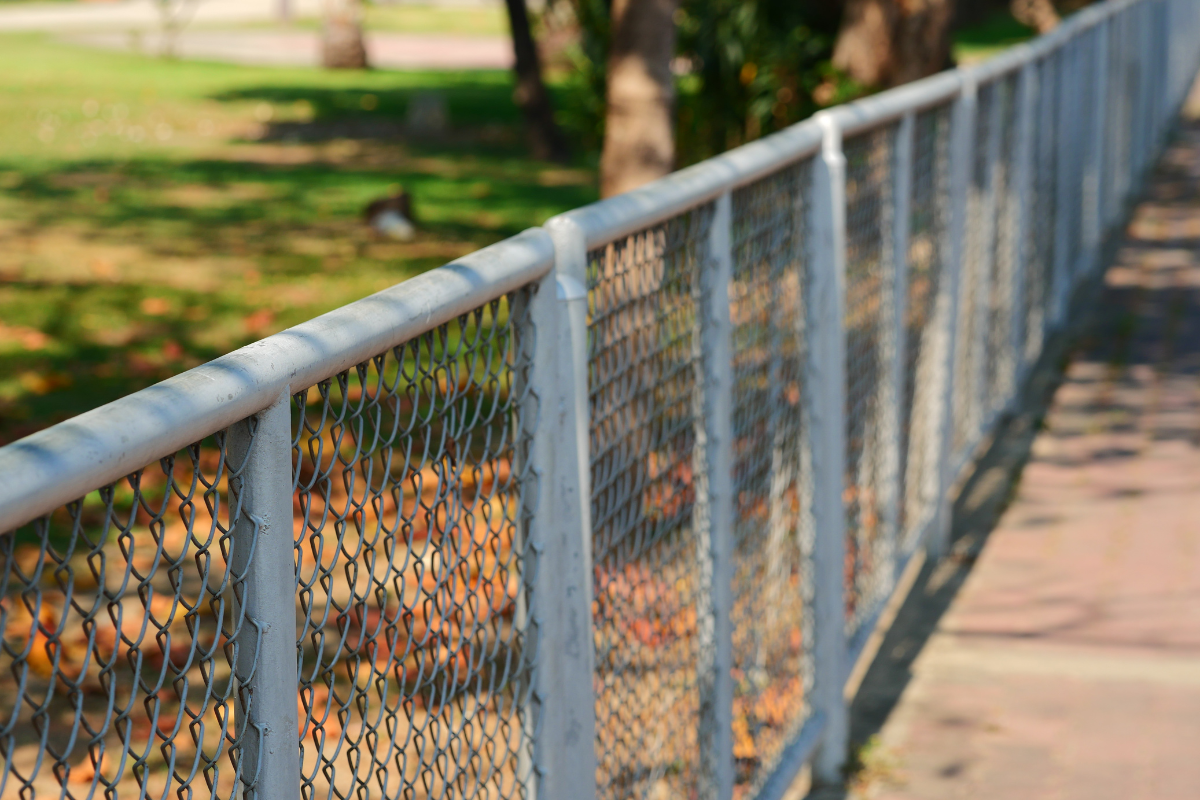
Chain link fencing earns its keep quietly. It protects equipment yards from midnight wanderers, keeps dogs on the right side of the grass, separates ballfields, and defines property lines without turning neighbors into strangers. When it fails, it often fails fast. One windstorm can crease posts, a delivery truck can wrinkle a panel, or cold snaps can twist ties until the mesh sags. Getting a fence back in shape quickly and affordably is not just a matter of aesthetics. It protects liability, maintains security, and prevents small issues from ballooning into bigger, pricier problems.
This guide lays out how a seasoned chain link fence contractor approaches repair work. It covers what breaks and why, how to triage damage, where the hidden costs lurk, and what a reputable chain link fence company does to deliver speed without sloppiness. I’ll also share real field tips from countless service calls, including where a do-it-yourself fix makes sense and where it pays to call in chain link fencing services before a simple tweak becomes a full rebuild.
Why chain link still makes sense
Chain link fence installation persists because it hits a trifecta: durable, modular, economical. Galvanized mesh shrugging off rain for decades is not unusual, especially if the line stays tight and vegetation is kept off. The open pattern lets wind pass instead of turning into a sail, which helps in storms. Rails and posts form a straightforward framework that can be repaired in sections. There is no paint to peel, boards to split, or broad panels to warp. The same qualities that make installation quick also make chain link fence repair relatively simple and, in many cases, surprisingly affordable.
Beyond cost, the modularity matters. A contractor can replace a 12-foot stretch of damaged fabric, swap one bent line post, or sleeve a top rail without touching the rest of the fence. Gates can be rebuilt in place with new hinges and latches. That modular approach is where rapid service is possible. You do not need to tear everything out just because one delivery truck kissed the corner.
The most common failures and what causes them
In the field, patterns repeat. Knowing them helps you spot the difference between a five-minute fix and a day-long repair.
Top rail kinks sit at the top of the list. A fallen branch or someone climbing at midspan can crease the rail. Once kinked, it loses its strength and telegraphs slack into the fabric below. Replacing a section of top rail with a swaged or coupler-connected piece restores rigidity quickly. If kinks repeat every twenty feet, the fence lacks adequate bracing or the fabric tension is low, so the rail is doing too much work.
Bent line posts usually trace back to vehicle impact, frost heave, or long-term soil movement. A single bent post can create a sag across two or three panels. If the concrete footing is intact, a post puller and a replacement post in the same hole solves the issue. If the footing is cracked or heaved, plan to excavate and reset with fresh concrete and proper depth. In northern climates, shallow footings are repeat offenders after freeze-thaw cycles.
Loose or broken ties let the fabric flutter between rails. Wind and UV exposure weaken standard aluminum ties over time, especially near gates where movement is constant. A handful of fresh ties can cinch the fabric back to the top rail and line posts. Watch for tie spacing that’s too wide. I often find ties every 24 inches instead of every 12 to 18 inches. Tightening spacing reduces fabric “drumhead” vibration in high winds.
Sagging fabric stems from inadequate initial tension, thermal cycling over years, or a cut and splice that wasn’t woven back correctly. A fence puller and come-alongs reintroduce tension, but only if the terminals are solid and the stretch has somewhere to pull from. If the tension bar is bowed, replace it. If corner bracing is weak, tension won’t hold for long.
Gate problems deserve their own mention. Gate leaves that drag the ground, hinges that wobble, and latches that no longer align cause daily headaches. Sometimes the gate frame is square, but the hinge post moved. Other times the frame itself has twisted or the welds are cracked. A competent chain link fence company will check hinge post plumb before touching the gate leaf. It’s common to shim and rehang rather than rebuild when the frame is sound.
Coatings and corrosion are the last slow killers. Galvanized fabric can last decades, but coastal salt, fertilizer overspray, and constant wet/dry cycles can thin the zinc layer. Vinyl-coated fabric buys extra corrosion resistance, yet when it does fail, it sometimes hides rust until a section snaps. Look at the bottom selvedge in weed-heavy areas. Corrosion starts there where grass holds moisture.
Fast doesn’t mean sloppy
Speed matters, but a rushed fix invites a revisit. The difference between fast and sloppy comes down to preparation and standardization. A professional crew arrives with the correct mix of posts, rails, caps, couplers, tension bars, bands, brace bands, carriage bolts, hinges, latches, and ties in the right sizes for the fence they are touching. They have a post puller, a power auger, a fence stretcher, and a compact mixer or rapid-set concrete ready. They carry both standard and heavy-duty hardware. That readiness compresses time on site because momentum never stalls for a missing part.
Repair decisions also set the pace. On a 6-foot commercial fence with heavy use, I rarely recommend patching multiple tiny fabric tears with weave inserts if there are more than two in a span. Cutting out a clean rectangular section and weaving in a new panel gives a stronger long-term result, and often takes less time than chasing eight small fixes. For top rail, if two kinks are within ten feet, replace the entire run between posts instead of inserting two separate short pieces with connectors that introduce weak points.
Workmanship shortcuts show up later in movement and noise. Improper tie spacing, loose nuts on brace bands, or a tension bar installed with the wrong face direction will create rattles and slack. A contractor who values speed with quality will still torque every fastener and shake the fabric. They will sight down the line like a carpenter sighting a stud wall. It only takes a minute and saves a return trip.
What influences cost more than most people expect
The price tag for chain link fence repair hinges on the usual suspects like material and labor, but a few factors quietly swing estimates.
Access can make or break a budget. A straight drive to the fence allows a truck to back right up. A backyard hemmed in by landscaping and retaining walls forces hand-carry of posts, concrete, and tools. Ten extra trips from the street adds time that shows up on the invoice. When I schedule jobs, I ask for photos of access points and gate widths to plan crew size and staging.
Concrete removal surprises many owners. Extracting a damaged post often means pulling a concrete plug. If the plug is oversized or bell-shaped, expect extra effort. A heavy-duty puller with a tripod works for many plugs, but old-school digging and breaking still has its place. Budget for disposal fees if the site requires hauling debris off.
Matching materials matters when you care about appearance. Galvanized versus black vinyl-coated fabric, 9-gauge versus 11-gauge, 1-5/8 inch versus 1-3/8 inch top rail, knuckle barbs versus twisted barbs on the selvedge, pressed steel versus malleable iron fittings. If you want a seamless look, the chain link fence contractor needs exact specs. Bringing sample pieces from the yard saves return trips.
Utilities lurk near property lines. Posts near electrical conduits, gas lines, or irrigation cause delays. Responsible contractors call in locates for significant excavations. That can take a day or two, which affects how “fast” a repair can legally and safely be.
Weather and curing time play a role. Rapid-set concrete can hold a replacement post in a few hours in warm weather. In cold, damp conditions, you still need reasonable set time before applying full tension. A crew can stage other work during the cure, but there’s no shortcut for physics.
When repair is smarter than replacement, and the edge cases
A well-built chain link fence often deserves repair. If posts are sound, rails can be swapped and fabric tightened. If a run suffered a single impact, replacing a twenty-foot span keeps costs lean and restores integrity. I have revived industrial enclosures from the 1990s with selective replacements, giving them another ten years of service without a full teardown.
Edge cases do crop up. If more than a third of the line posts have excessive rust near grade, replacement starts to make more sense. When line posts have lost wall thickness, any new tension overstresses them. Similarly, fabric that has thinned to the point where the diamonds deform under hand pressure is nearing the end. If multiple gates have twisted frames and recurring misalignment, it often points to foundational issues like shallow posts or shifting soil. In those cases, a chain link fencing company should present phased options: stabilize the worst sections now, budget the rest over the next season.
One more exception involves code and use changes. A residential fence converted to enclose a dog boarding yard needs heavier fabric and hardware. A school upgrading safety protocols might require privacy slats, taller height, or tamper-resistant fittings. Repairing old material to meet new demands is a false economy. Upgrading strategically in those scenarios pays off in fewer callbacks and safer operation.
How a professional crew executes a rapid, clean repair
The first fifteen minutes on site determine the day. A competent chain link fence contractor will walk the entire stretch, not just the reported problem. They note post plumb, rail straightness, tie condition, and gate operation. They look for patterns like repeated kinks or consistent slack. Then they stage materials at logical intervals to minimize walking.
For a typical impact repair on a 6-foot, galvanized, residential fence, the sequence goes like this. Remove damaged fabric by cutting the weave and unwinding a wire or two at a seam. Extract the bent line post with a puller, clean out the hole, check depth, and set a new post with rapid-set mix. While the mix grabs, replace any kinked top rail, coupling to adjacent sections. Install a new tension bar at the terminal of the repair zone, align brace bands and tension bands, and loosely mount fittings so they can be fine-tuned later. Weave in replacement fabric, attach to the tension bar, stretch with a fence puller to the correct tension, then tie off to line posts and top rail at proper spacing. Finally, torque all hardware and cap posts. The crew then rakes the disturbed soil, picks up every tie clipping and wire offcut, and walks the line again to confirm even tension.
Gate fixes follow a similar logic. Check hinge post plumb. If out, reset or sleeve it. Inspect hinge hardware for slop. Switch to adjustable, through-bolted hinges where appropriate. Square the gate frame, add a brace if necessary, set latch alignment, and confirm swing clearances. If the gate sags again after a week, the post likely needs deeper embedment or larger footing. That is not a hinge problem, it is a foundation problem.
DIY versus hiring chain link fencing services
Some repairs are well within the reach of a handy owner with basic tools. Replacing a handful of ties, swapping a short length of top rail, or re-hanging a light residential gate can be a weekend project. The specialized tool barrier is low for those tasks. A hacksaw or pipe cutter, pliers, a wrench set, and patience will get you there.
Where DIY often goes sideways is fabric tension and post setting. Without a proper fence stretcher, tension tends to be uneven. Tightening ties to compensate for loose fabric is a mistake. Ties are retainers, not tensioners. The fabric should carry its own tension via the stretch and tension bars. Setting posts also trips up many DIY attempts. Holes need proper depth and diameter, bottoms belled if soil is sandy, and concrete consolidated without voids. Posts should be set a hair high and then tapped to final elevation and plumb. Guessing here leads to waves down the fence line.
If you want speed and a clean finish, especially on larger damage or anything involving gates that see daily use, bringing in chain link fencing services makes sense. A professional can complete in hours what might stretch into a multi-weekend saga at home, and the final result will hold tension and alignment.
What a good estimate includes
Clarity up front keeps everyone happy. A solid estimate from a chain link fence company usually specifies the following: the length of fabric to be replaced, post sizes and counts, top rail length and connection method, hardware types, gate hardware if applicable, concrete spec and footing dimensions, any demolition and haul-off, and site restoration tasks. It should state whether materials match existing galvanized or vinyl-coated coatings, and what gauge fabric and rail will be used. If privacy slats or barbed wire are present, the estimate should note reinstallation. Timelines matter too. For emergency security breaches, you want immediate stabilization with temporary panels or a rapid set, followed by a permanent repair if lead times apply for special materials.
I encourage clients to share a simple priority list. For example, secure the opening today, match aesthetics within a week, finish with gate tuning after the locates clear. This lets a contractor stage work intelligently and deliver both fast and affordable results without cutting corners.
Materials and hardware choices that stretch your dollar
It’s tempting to reach for the cheapest components during a repair, but a few targeted upgrades deliver disproportionate value. Heavier gauge ties in high-wind corridors solve recurrent tie failures. Using brace bands with serrated nuts or thread locker keeps tension assemblies from loosening. Upgrading residential gate hinges to adjustable, ball-bearing hinges solves squeaks and sag and extends service intervals. Using a tension bar at both sides of a fabric splice rather than relying on ties at the seam maintains proper load transfer and reduces wrinkling.
For coastal or chemical-laden environments, stainless steel hardware at critical points like hinges and latches, even on a galvanized fence, prevents the classic streak-rust that shows up only at those components. In livestock settings, consider bottom tension wire to prevent animals from pushing under fabric. It is a small addition that shields the lower https://sethmlqe782.lucialpiazzale.com/long-lasting-chain-link-fence-repair-you-can-rely-on selvedge from abuse and keeps tension consistent.
Safety and liability considerations
A compromised fence around a commercial site implicates liability. If a damaged stretch opens access to a pool, a schoolyard, or a heavy equipment yard, treat it as a safety hazard, not a deferred maintenance item. Temporary panels, snow fencing as a stopgap, or even a quick weave-in patch can reduce risk while permanent repairs are planned. Document the condition and the temporary steps taken. Insurance adjusters appreciate a clear timeline and the effort to mitigate exposure.
On the contractor side, expect basic safety protocols: PPE on site, utility locates when digging, and secure worksites. A good chain link fence contractor will cordon off work zones if gates must remain open during business hours and coordinate with facility managers to minimize security gaps.
Real numbers from the field
Costs vary by region, but some ranges help with planning. Replacing a single bent line post with concrete and top rail reconnection often lands between 250 and 500 dollars for residential grade material, assuming decent access. A 20-foot fabric replacement with new tension bars, bands, and ties could sit in the 300 to 700 dollar range depending on gauge and coating. A simple gate hinge and latch replacement might run 150 to 350 dollars, while squaring and rehanging a larger commercial double-leaf gate can push 600 to 1,200 dollars if posts need attention. Emergency after-hours service typically adds a premium, but if it prevents theft or an incident, it earns its keep.
The best savings show up when work is bundled. If the fence needs multiple small fixes along a run, tackling them in one mobilization avoids repeated travel and setup time. I often advise clients to walk the fence with a notepad and list anything that rattles, sags, or drags. Grouping those items can shave 15 to 30 percent off what separate visits would cost.
How to keep repairs rare
A few minutes twice a year can keep a fence tight, straight, and quiet. Walk the line at the end of winter and mid-fall. Look for posts that lean, rails that kink, and ties that have opened. Clear vegetation at the base. Grass and vines trap moisture, accelerate rust at the bottom selvedge, and hide damage. Keep sprinklers from hitting the fence all day. Water accelerates corrosion and encourages algae and moss that hold dampness. If your area gets high winds, check that tie spacing is tight and consistent.
Gates deserve a monthly glance. Listen for squeaks, look for rub marks on the ground, and check latch alignment. Lubricate hinges sparingly. More lubrication is not better if grit is present. Tighten hardware before it elongates holes and creates slop that is harder to correct. Over thousands of openings, small misalignments grow.
Based on usage, schedule a professional inspection every two to three years for commercial sites. A chain link fence company can spot early signs of metal fatigue or subsurface movement that a casual glance misses. Preventive tightening of bands and replacement of a handful of ties costs little and delays major work.
Choosing the right partner for the work
Not all chain link fencing providers focus on repair. Some excel at new chain link fence installation but handle service work as a side task. For fast, affordable repairs, you want a chain link fence contractor that keeps repair inventory on hand, runs small, nimble crews, and offers clear communication. Ask about response times, emergency service options, and whether they stock common sizes in their yard. Request before-and-after photos on similar repairs. A contractor proud of clean work will have them.
Listen for how they talk about tension, bracing, and hardware. Vague answers often signal rushed workmanship. Specifics about tie spacing, tension bar placement, and gate hinge types indicate a pro. A fair estimate explains the how, not just the what.
A brief homeowner and facility manager checklist
- Walk the fence line twice a year and after major storms. Note sags, kinks, leaning posts, and gate issues. Clear vegetation along the base and adjust sprinklers to minimize constant wetting. Check tie spacing and replace loose or missing ties promptly to prevent flutter. Test gate operation monthly. Address squeaks, misalignment, and latch issues before they worsen. When damage occurs, document with photos, measure the affected length, and share details with your chosen chain link fence company to speed the repair.
Final thoughts from the field
The best chain link fences are the ones you stop noticing because they simply do their job. When damage happens, the fastest path to normal is a focused, well-equipped crew that understands tension, alignment, and sequencing. Repairs done right restore strength without waste, respect budgets, and prevent future headaches. Whether you call in a dedicated chain link fencing services team or handle a minor fix yourself, treat the fence like a system. Posts, rails, fabric, ties, and gates share the load. Give each part the attention it needs, and your fence will return the favor with years of quiet service.
Southern Prestige
Address: 120 Mardi Gras Rd, Carencro, LA 70520
Phone: (337) 322-4261
Website: https://www.southernprestigefence.com/